
Author: Millermarker
Boat Boating Licence: Your Steer To Safe And Sound Boating
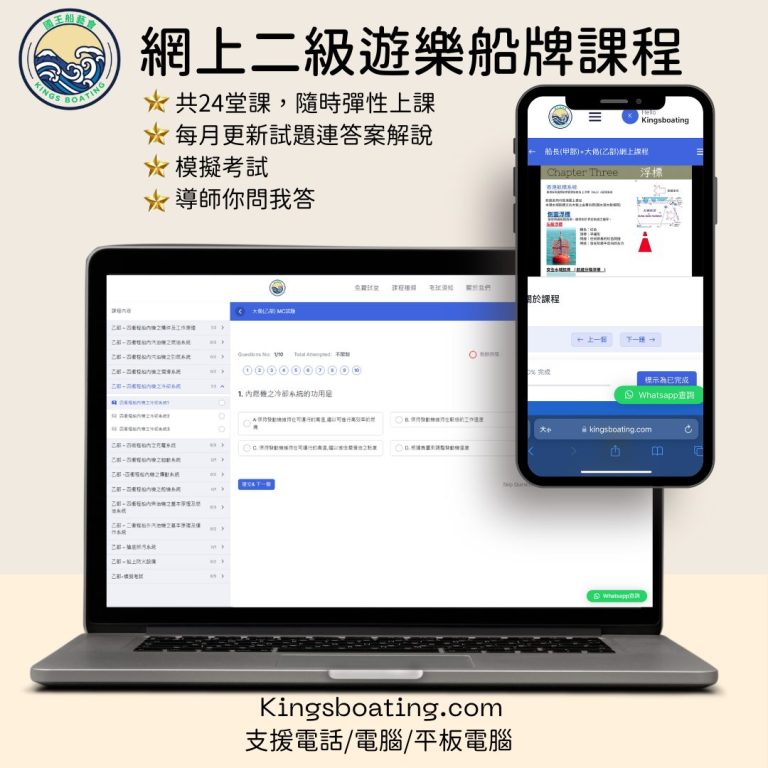
Boating is an stimulating and restful natural process that attracts populate of all ages. Whether cruising along rivers, lakes, or coastal Ethel Waters, having the proper skills and noesis is indispensable for safety and valid compliance. A Boat or Boating Licence is necessary for anyone looking to run a motorized vessel responsibly. It ensures that boaters are skilled, aware of topical anesthetic regulations, and open of handling emergencies, qualification every boating experience safer and more pleasurable.
What Is a Boating Licence?
A Boating Licence is an functionary document that certifies an individual to operate a boat lawfully. This 船牌 confirms that the holder understands navigational rules, safety procedures, and emergency protocols. Regulations vary by state, but most need licences for bimotored boats above a certain size or speed up.
Holding a license is more than fulfilling effectual obligations. It demonstrates competence, helps keep accidents, and often affects policy eligibility. Licensed operators are better equipt to react to unforeseen situations, ensuring both their refuge and that of other irrigate users.
Types of Boat Licences
Boating licences are trim to pit different vessels and purposes. Common types include:
Recreational Boating Licence: For personal use, fishing trips, or family outings.
Commercial Boating Licence: Required for professional person operations, such as Tours, charters, or ferrying services.
Personal Watercraft Licence: For jet skis and small bimotored vessel.
International Certificate of Competence(ICC): Allows authorized boaters to lawfully operate in many international Ethel Waters.
Each licence type ensures that operators are adequately trained for their specific type of boating natural process.
Who Needs a Boating Licence?
Not all boaters are necessary to hold a license, but it is usually mandatory for those:
Operating motorized vessels over a certain HP.
Using boats for commercial purposes.
Navigating regulated or secure waterways.
Even when nonobligatory, obtaining a certify is powerfully suggested. It improves safety, ensures compliance with laws, and may supply benefits like easier get at to policy and less effectual complications.
How to Get a Boating Licence
The work of obtaining a yachting license typically includes:
Boating Safety Course Learn seafaring, safety, environmental responsibilities, and emergency response.
Written Exam Test your noesis of yachting rules and regulations.
Practical Training Hands-on judgment to show treatment and work skills.
Application Submission and Fees Complete functionary forms and pay the necessary fee.
Issuance of Licence After favorable reception, welcome your allowing you to operate a boat legally.
Following these steps ensures you are equipped for safe and responsible for boating.
Boating Safety and Responsibility
A boating certify emphasizes refuge, but operators must still take precautions. Always wear a life jacket crown, check endure forecasts, and carry such as flares, radios, and fire extinguishers. Avoid alcohol while in operation a watercraft and stick strictly to guidance rules. Practicing responsible boating protects yourself, passengers, and others on the water while promoting a safe and gratifying for all.
Licence Renewal
Boating licences are not permanent wave and need periodic renewal. Renewal may necessitate refresher course courses or updated tests to assure cognition of the up-to-the-minute safety regulations and yachting practices. Maintaining a current license helps you remain lawfully conformable and improves safety awareness, while neglecting renewal can lead in fines or effectual issues.
Conclusion
A Boat Boating Licence is a essential part of safe and causative boating. Whether for recreational purposes or commercial ventures, obtaining a licence equips you with the skills and noesis necessary to sail waters safely. By enrolling in secure courses, passage exams, and securing your license, you protect yourself, your passengers, and the waterways. Start your journey nowadays, and the adventure and exemption that comes with being a licenced straw hat.
The SIM Card: Connecting the World, One Chip at a Time

In the modern world of instant communication, the SIM card (Subscriber Identity Module) may seem like a minor component in the grand scheme of smartphone technology. However, behind its small size and often unnoticed presence, the SIM card is a powerhouse that makes the entire mobile communication network possible. From making voice calls and sending texts to browsing the internet and staying connected while traveling, SIM cards have revolutionized the way we interact with the world around us.
What is a SIM Card?
At its core, a SIM card is a small, removable chip embedded with essential information that allows a mobile phone to connect to a cellular network. It’s the key to accessing voice, data, and SMS services. Without a SIM card, a mobile device would only function as a glorified media player or a camera, essentially rendering the phone useless for its primary functions.
SIM cards store a variety of data, such as:
- Subscriber identity: This includes your phone number and other personal information that links you to a mobile network.
- Authentication information: The card verifies that you are a valid user authorized to access the network.
- Encryption keys: These ensure secure communication between the mobile device and the network.
- Network-specific data: Settings that help the device connect to the correct carrier and operate effectively in different regions.
The Evolution of the SIM Card
The SIM card has come a long way since its inception in the early 1990s. Originally, SIM cards were introduced alongside GSM (Global System for Mobile Communications) technology, a breakthrough in mobile communications. The early SIM cards were large and bulky by today’s standards, but they were revolutionary for their time. They allowed users to easily switch between phones and carriers, something that was impossible with earlier technology.
Over the years, the size of SIM cards has shrunk as phones have become slimmer and more compact. Today, most modern smartphones use nano SIMs, which are just a fraction of the size of their predecessors. Despite the smaller size, SIM cards have become more powerful, storing increasingly sophisticated data and allowing users to access mobile networks at higher speeds.
Different Types of SIM Cards
Today, there are several types of SIM cards in use, each designed to accommodate different device sizes and technologies:
-
Standard SIM: The original and largest form of SIM card, measuring 25mm x 15mm. Although it's rare in modern devices, it can still be found in older phones.
-
Micro SIM: A smaller version of the standard SIM card, measuring 15mm x 12mm. Micro SIMs were introduced to accommodate more compact smartphones and devices.
-
Nano SIM: The smallest SIM card currently in use, measuring 12.3mm x 8.8mm. Nano SIM cards are used in most of today’s smartphones, including the iPhone and many Android models.
-
eSIM: Embedded SIM (eSIM) is a new type of SIM card that is permanently embedded into a device, eliminating the need for a physical card. The eSIM allows users to switch between networks and activate services digitally, making it a more flexible and convenient option, especially for users who travel frequently or want to manage multiple plans.
How SIM Cards Work
Despite the technical complexity behind them, 長者上網 plan cards are remarkably simple in function. Here's a breakdown of how they work:
-
Identification and Authentication: When you insert a SIM card into your mobile device and power it on, the SIM card connects to the network. The carrier’s network uses the IMSI (International Mobile Subscriber Identity) stored on the SIM card to identify and authenticate the user. This step ensures that the person using the phone has a valid mobile subscription and is authorized to access the network.
-
Voice and Data Communication: After successful authentication, the SIM card enables the device to make voice calls, send text messages, and access mobile data. It establishes a secure connection with the mobile carrier’s base stations (cell towers), which routes calls and data traffic across the network.
-
Encryption: To ensure privacy and security, the SIM card uses encryption keys to secure communications between the phone and the carrier’s network. This prevents unauthorized parties from intercepting or tampering with calls, texts, or data.
-
Roaming: One of the significant advantages of SIM cards is their ability to support roaming. When you travel to another country, you can insert a local SIM card into your device to avoid high roaming fees. This allows you to stay connected to local networks and use mobile data at much lower rates than using your original SIM card from home.
The Advantages of SIM Cards
SIM cards have a host of benefits that make them central to modern mobile communications. These advantages include:
-
Portability: One of the biggest advantages of SIM cards is their portability. Users can easily swap SIM cards between devices, making it easy to upgrade phones or use a backup device without losing access to important services like contacts, text messages, and mobile data.
-
Global Connectivity: As mobile phones and carriers have expanded globally, SIM cards have made it possible for people to stay connected no matter where they are in the world. Traveling internationally becomes simpler with the ability to swap in a local SIM card to access more affordable rates for voice, text, and data.
-
Multiple Numbers: Some phones support dual SIM functionality, where users can insert two SIM cards into a single device. This feature is especially useful for people who need to keep their work and personal phone numbers separate or for international travelers who want to use a local SIM in one slot while keeping their home SIM in the other.
-
Security: SIM cards are designed with security in mind. They are equipped with encryption technologies to ensure that calls, texts, and data are protected from unauthorized access. Furthermore, SIM cards often include PIN codes that lock the device if it’s lost or stolen, ensuring that your information remains safe.
eSIM: The Future of SIM Cards?
With the rise of newer technologies like 5G, the evolution of SIM cards is shifting toward a more integrated approach: eSIM. Unlike traditional SIM cards, eSIMs are embedded into the device’s hardware, eliminating the need for a removable physical card. The benefits of eSIMs include:
- Remote Activation: Users can activate a new carrier plan or switch between carriers without needing to physically swap out SIM cards.
- Multiple Profiles: eSIM technology allows users to store multiple carrier profiles on a single device, making it easier to manage work and personal lines, or switch to local carriers while traveling.
- Space Efficiency: By removing the need for a physical SIM card slot, eSIMs save valuable space in mobile devices. This is particularly beneficial in wearables like smartwatches or ultra-thin smartphones.
As eSIM technology gains traction, it is expected to become more widely used in future smartphones, tablets, laptops, and even IoT (Internet of Things) devices.
The Role of SIM Cards in 5G Networks
The arrival of 5G networks promises to transform how we use mobile communication, providing faster speeds, lower latency, and more reliable connections. The role of SIM cards will be essential in ensuring that devices can securely connect to 5G networks. As 5G technology continues to evolve, SIM cards will likely undergo further changes to meet the new demands of high-speed data transfer and enhanced security.
Conclusion
Despite being small and often overlooked, the SIM card has been one of the most influential innovations in mobile communication. It connects millions of people around the globe, ensuring that we stay in touch with one another and access the information we need, anytime and anywhere. From enabling international roaming to allowing seamless transitions between devices, SIM cards have made mobile communication more flexible, secure, and accessible.
Customized Tee: Personal Touch to Your Wardrobe
In a world where personal expression is highly valued, customized tees have become an essential fashion trend. Whether it's for a casual day out, a family reunion, a birthday celebration, or a corporate event, a customized tee can elevate your outfit while reflecting your personality, interests, or brand. From unique designs to catchy slogans, customized t-shirts offer a versatile and creative way to stand out. Here's why custom tees are becoming a go-to clothing item for people of all ages.
1. Personalization at Its Best
One of the main appeals of customized tees is the ability to create something uniquely your own. Whether you're designing it for yourself or for a group, custom tees allow you to incorporate your own personal style. You can print anything from a favorite quote, a beloved image, or even a quirky design that resonates with you. With an array of design tools and websites available, anyone can step into the world of custom fashion without needing any professional skills. The possibilities are endless, making each piece a true reflection of the wearer’s individuality.
2. Perfect for Any Occasion
Customized tees are incredibly versatile. They are perfect for birthdays, holidays, sports events, family gatherings, weddings, or even corporate functions. Custom shirts have the ability to make any event more memorable. For example, a family reunion might be more fun when everyone is wearing matching tees with a custom logo or slogan. Similarly, businesses often use t shirt 印刷 shirts as part of their branding strategy for events or giveaways, helping to create a sense of unity and visibility.
3. Quality and Comfort
When it comes to t-shirts, comfort is key. Custom tees are often made from high-quality fabrics like cotton, which ensures both softness and durability. Many printing companies also provide a variety of t-shirt styles, sizes, and colors, so you can find the perfect fit for your design. Whether you prefer a fitted tee or a more relaxed, oversized look, custom t-shirts can be tailored to suit different tastes and body types.
4. The Power of Branding
For businesses, customized tees are an effective way to increase brand awareness. A simple logo or slogan on a well-designed t-shirt can help spread your message to a broader audience. Employees wearing branded tees in public can create an organic form of marketing that encourages word-of-mouth promotion. Additionally, businesses can use these shirts as promotional giveaways, creating a lasting connection with customers.
5. Environmentally Friendly Options
With growing concerns about environmental impact, many customized tee makers now offer eco-friendly options. Organic cotton, bamboo, and recycled materials are just some of the sustainable fabrics that can be used for custom tees. By choosing eco-conscious materials, you not only create a personalized garment but also contribute to a healthier planet.
6. Gift-Giving Made Easy
Customized tees also make thoughtful and unique gifts. Rather than opting for a generic store-bought gift, a custom tee is a perfect way to show someone you put thought into their present. Whether it's a design that reflects their interests or an inside joke between friends, custom t-shirts can add a personal touch to any occasion. For example, gifting a tee with a funny slogan or a custom image for a friend can be both sentimental and stylish.
7. A Trend That Will Never Go Out of Style
Fashion trends come and go, but personalized t-shirts have stood the test of time. They can be styled in numerous ways, from casual streetwear looks to more polished outfits when paired with jackets or skirts. The ongoing trend of individuality in fashion ensures that customized tees will continue to hold relevance, providing a timeless way to express yourself.
8. How to Design Your Custom Tee
Designing a custom tee can be as simple or as intricate as you want. Online platforms like Printful, Teespring, and Custom Ink make it easy to upload your designs or create them from scratch with built-in design tools. You can add text, images, or even create your own artwork. Once your design is ready, you can choose from a variety of fabrics, sizes, and colors to bring your creation to life.
Some tips for designing your custom tee:
- Keep it simple: A clean, bold design often has the most impact.
- Choose high-quality graphics: Ensure your images or logos are high-resolution for the best print quality.
- Play with colors: Choose colors that complement each other and make your design pop.
- Think about the fit: A well-designed shirt looks even better when it fits just right.
Conclusion
In a world where fashion is increasingly about expressing who you are, customized tees provide the perfect canvas to do so. Whether you're making a bold statement, promoting a brand, or creating lasting memories with a personalized gift, a customized tee is an affordable and fun way to showcase your style and personality. With endless options for design, quality materials, and versatility, customized tees continue to be a favorite choice for those looking to make a statement through their wardrobe.
The Role of HR Systems in Transforming Organizational Culture and Workforce Dynamics
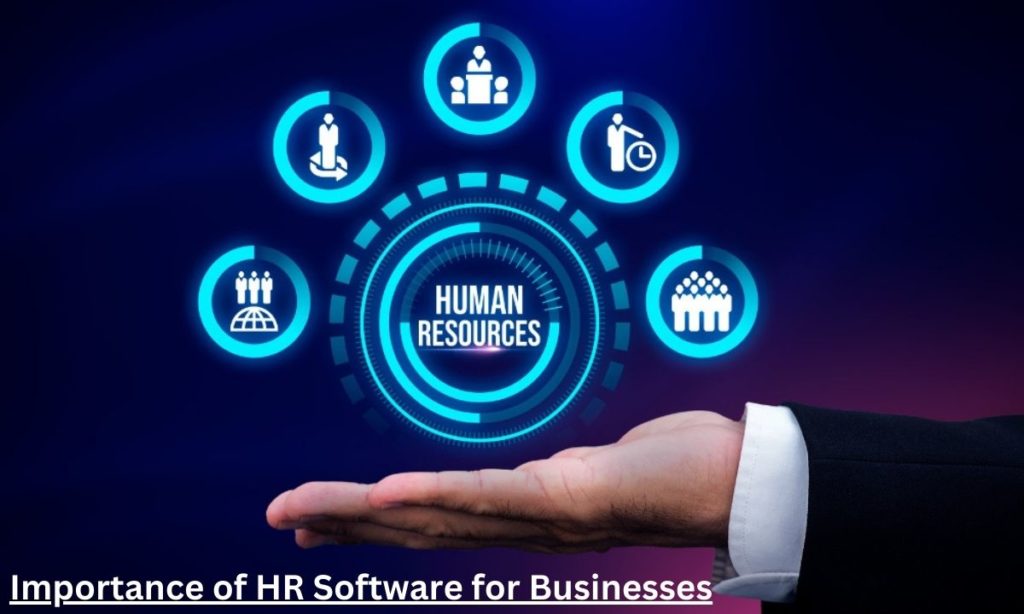
In today’s rapidly evolving business environment, organizations are constantly looking for innovative ways to stay competitive, streamline their processes, and create a thriving workplace culture. Human Resources (HR) plays a critical role in driving these changes, and one of the most powerful tools HR has at its disposal is the HR system. These sophisticated software solutions are revolutionizing not only the way HR departments operate but also the way organizations approach workforce management and organizational culture. This article explores how HR systems are helping organizations cultivate a positive workplace culture and transform workforce dynamics.
Understanding HR Systems
An HR system (Human Resource System), also referred to as a Human Resource Management System (HRMS) or Human Resource Information System (HRIS), is a digital tool that integrates and automates core HR functions. These systems typically handle a wide range of HR tasks, including payroll, recruitment, benefits administration, employee data management, performance tracking, and learning & development. By centralizing these functions into a single platform, HR systems provide a streamlined and efficient way to manage the employee lifecycle.
While the primary goal of HR systems is to automate administrative tasks and improve efficiency, their influence on organizational culture and workforce dynamics is profound and far-reaching.
Enhancing Communication and Collaboration
A central aspect of a positive organizational culture is communication—both between HR and employees, and among employees themselves. HR systems play a crucial role in enhancing communication across all levels of an organization.
-
Centralized Communication Channels
Many modern HR systems include communication tools such as employee self-service portals, chat features, and internal social networks. These platforms provide employees with easy access to important information like benefits, policies, training resources, and updates from the leadership team. By centralizing this communication, HR systems help create a transparent and inclusive environment, fostering trust and a sense of belonging among employees. -
Collaboration Tools
Beyond communication, HR systems often integrate collaborative tools that facilitate team collaboration, even for remote or distributed teams. These tools allow employees to work together on projects, share feedback, and engage in real-time discussions. The ability to collaborate seamlessly helps foster a culture of teamwork, innovation, and shared responsibility. -
Feedback Mechanisms
Feedback is essential for growth, both for employees and organizations. HR systems are increasingly incorporating real-time feedback and performance review features that allow for continuous communication between managers and employees. This shift away from traditional annual reviews enables a culture of ongoing development, where employees receive timely feedback that helps them grow and contribute more effectively to the organization.
Building a Culture of Learning and Development
Organizational culture is shaped by the values and priorities of the company, and one of the most important values for any modern organization is learning and development. A culture that prioritizes growth and skill development leads to higher employee engagement, productivity, and retention.
-
Personalized Learning Paths
HR systems are increasingly equipped with Learning Management Systems (LMS) that provide employees with access to training and development programs. These systems enable HR teams and managers to create personalized learning paths based on individual needs and career goals. Whether it’s technical training, leadership development, or soft skills enhancement, HR systems help employees continuously develop their skills, which in turn contributes to a culture of lifelong learning. -
Skill Tracking and Career Development
HR hrms malaysia help organizations track employees' skills, certifications, and career progressions. This data can be used to identify skill gaps and provide opportunities for career advancement within the company. By offering clear development paths and promoting internal mobility, organizations encourage employees to invest in their careers and take ownership of their professional growth. This helps cultivate an environment of trust and loyalty, as employees feel valued and supported in their career journeys. -
Employee Engagement Surveys
HR systems can integrate engagement surveys that help organizations measure employee satisfaction and gauge the overall mood of the workforce. These surveys allow companies to identify areas for improvement and implement initiatives to boost morale and foster a positive workplace culture. Regularly collecting feedback ensures that employees feel heard, which is a key aspect of maintaining an open and transparent organizational culture.
Strengthening Employee Recognition and Motivation
Another critical element in shaping organizational culture is recognition—how employees are valued and appreciated for their hard work. HR systems play a pivotal role in enhancing recognition and creating an atmosphere of motivation and appreciation.
-
Automated Recognition Programs
HR systems offer automated tools for recognizing employee achievements, whether it’s through performance bonuses, public shout-outs, or milestone celebrations. Automated recognition programs ensure that employees are regularly acknowledged for their contributions, which boosts morale and reinforces positive behavior. Recognizing employees for their hard work fosters a culture of appreciation, motivating employees to continue striving for excellence. -
Peer-to-Peer Recognition
Many HR systems include features that allow employees to recognize and appreciate their peers. Peer-to-peer recognition helps break down silos and encourages a sense of camaraderie among employees. When employees feel appreciated by their peers, it strengthens interpersonal relationships and contributes to a culture of collaboration and support. -
Gamification of Recognition
Some HR systems integrate gamification elements that make recognition more engaging and fun. Employees can earn badges, points, or rewards for achieving goals, completing training programs, or demonstrating company values. This gamification approach adds an element of excitement and competitiveness, making recognition feel more rewarding and increasing overall employee engagement.
Facilitating Diversity and Inclusion
A strong organizational culture is one that values diversity and inclusion (D&I). HR systems are integral to promoting D&I initiatives by ensuring fairness and transparency in HR processes and decision-making.
-
Bias-Free Recruitment
HR systems can help eliminate unconscious bias during the recruitment process. Advanced HR systems leverage artificial intelligence (AI) and machine learning algorithms to assess candidates based on skills, qualifications, and experience rather than personal characteristics. This helps promote a more diverse and inclusive workforce by ensuring that hiring decisions are based on merit, not unconscious biases. -
Tracking Diversity Metrics
HR systems can track diversity metrics, including gender, ethnicity, age, and disability status, allowing organizations to monitor their diversity and inclusion efforts. This data helps organizations assess whether they are meeting their diversity goals and identify areas where they need to improve. By using HR systems to track and report on diversity, companies can demonstrate their commitment to fostering an inclusive culture. -
Inclusive Policies and Resources
Many HR systems include resources to help organizations create and enforce inclusive workplace policies. These might include features for tracking accommodations for employees with disabilities, offering diversity training, or managing employee resource groups (ERGs). HR systems ensure that these policies are easily accessible and are consistently applied across the organization.
Improving Workforce Agility and Adaptability
As business needs continue to evolve, organizations must foster a culture of agility—the ability to adapt quickly to changing conditions. HR systems support this agility by providing organizations with real-time data and tools to make informed decisions.
-
Workforce Analytics
HR systems collect and analyze data related to employee performance, productivity, and retention. This data can be used to identify trends, forecast future needs, and make strategic decisions about workforce planning. By staying on top of these insights, organizations can adjust quickly to challenges or opportunities and maintain their competitive edge. -
Flexible Workforce Management
HR systems enable businesses to manage remote and flexible work arrangements more effectively. These systems help track employee hours, manage schedules, and ensure compliance with labor laws, regardless of whether employees are working in the office or remotely. As the workforce becomes more dynamic, HR systems provide the tools necessary for businesses to manage this change seamlessly.
Conclusion
HR systems have become far more than just administrative tools—they are now a driving force in shaping organizational culture and transforming workforce dynamics. By enhancing communication, supporting learning and development, promoting recognition and diversity, and facilitating workforce agility, HR systems play a pivotal role in fostering a positive and high-performing workplace culture. As businesses continue to face new challenges and opportunities in the future of work, investing in robust HR technology will be essential for creating an engaged, motivated, and adaptable workforce capable of thriving in the evolving business landscape.
Slot Betting: The Exciting World of Spins, Wins, and Strategy
In the fast-moving world of online gaming, slot betting has become the ultimate choice for players seeking excitement, entertainment, and a shot at big rewards. It’s a simple concept — spin the reels, match symbols, and win — but beneath that simplicity lies an entire universe of thrill, strategy, and endless variety. Whether you’re a beginner or a seasoned player, slot betting offers a gaming experience unlike any other.
What Is Slot Betting All About?
At its core, slot betting is about spinning reels filled with symbols and hoping they align in winning combinations. Every spin is powered by a Random Number Generator (RNG), ensuring fair and unpredictable results each time you play.
The beauty of slot betting is that it doesn’t require deep knowledge or complex strategies. You don’t have to memorize card combinations or read opponents — all you need is luck, timing, and a bit of patience. And with thousands of slot games online, there’s always something new to explore.
The Evolution of Slot Betting
Slot betting has come a long way from the mechanical machines found in old casinos. Today, it’s a high-tech experience available across the web and mobile devices. Modern slots feature 3D graphics, cinematic themes, and interactive bonuses that make the game feel like a mix between gambling and entertainment.
Online platforms have made slot betting accessible anytime, anywhere. Whether you prefer classic fruit machines or modern jackpot slots, every game comes with its own charm and reward system.
Why Players Love Slot Betting
The popularity of slot betting isn’t just about winning — it’s about the rush that comes with each spin. The flashing lights, suspenseful sounds, and anticipation of what’s to come create an experience that’s exciting every single time.
Here’s why millions of players enjoy slot betting daily:
-
Instant Action: No waiting or complex setup — spin and play.
-
Huge Variety: Thousands of themes, from adventure and fantasy to movies and mythology.
-
Flexible Betting: Play small or go big — it’s your choice.
-
Massive Payouts: Progressive jackpots and bonus rounds can deliver life-changing wins.
Tips for Smarter Slot Betting
Although pg88 betting is mainly about chance, a few smart habits can help improve your experience:
-
Check the RTP (Return to Player): Look for slots with a rate above 95% for better long-term outcomes.
-
Manage Your Budget: Set a limit before you start — and stick to it.
-
Try Free Demos: Learn how the game works before betting real money.
-
Use Bonuses: Online casinos often offer free spins and welcome bonuses — use them to your advantage.
-
Play for Fun: Enjoy the experience rather than chasing every win.
By staying disciplined and informed, you can enjoy the fun while keeping control over your game.
Mobile Slot Betting: Spin Anytime, Anywhere
The future of slot betting lies in mobile technology. With advanced casino apps and responsive websites, players can spin the reels on their smartphones with ease. The graphics, sound, and speed of mobile slot games rival traditional desktop experiences — giving players flexibility and freedom.
Whether you’re at home, traveling, or on a lunch break, mobile slot betting ensures that entertainment is always at your fingertips.
The Future of Slot Betting
The world of slot betting is rapidly evolving, thanks to technologies like virtual reality (VR), artificial intelligence (AI), and blockchain systems. These innovations will make games more immersive, transparent, and interactive. Imagine stepping inside a digital casino, pulling a virtual lever, and watching 3D reels spin right before your eyes — that’s where the future is headed.
As these technologies continue to develop, players can expect even more personalized and secure gaming experiences.
Final Thoughts
Slot betting is more than just a game — it’s a form of entertainment that blends luck, excitement, and technology. Each spin tells its own story, and each moment brings new chances. Whether you play casually for fun or chase the thrill of jackpots, slot betting promises endless entertainment and possibilities.
So take your seat, spin the reels, and let luck decide your next big win.