
Author: AsimAli
How Daily Activity Levels Affect Stamina?
Stamina is the ability of the body to sustain prolonged physical or mental effort. Many factors influence stamina, including diet, sleep, genetics, and most importantly, daily activity levels. People often underestimate how their everyday movements, from climbing stairs to walking to work, play a crucial role in overall endurance.

Interestingly, some also look to supplements like Biomanix Capsule to enhance their vitality and energy levels, complementing a healthy lifestyle. In this guide, we will explore how daily activity levels impact stamina, the science behind it, and practical tips to improve endurance.
Stamina
Before diving into the effects of daily activities, it’s essential to understand what stamina truly is. Stamina refers to both physical and mental endurance. Physically, it involves the cardiovascular system, muscle strength, and energy reserves. Mentally, it is the capacity to remain focused and resilient over long periods.
Low stamina can lead to fatigue, decreased productivity, and an overall reduction in quality of life. Conversely, improving stamina increases energy, boosts immunity, and enhances overall well-being. Daily habits, especially physical activity, have a direct influence on these factors.
The Role of Daily Activity
Daily activity levels range from sedentary behavior to highly active routines. Sedentary lifestyles are associated with decreased stamina, muscle atrophy, and reduced cardiovascular efficiency. On the other hand, regular moderate to high activity strengthens muscles, improves lung capacity, and increases energy levels.
Even small movements throughout the day, such as walking to the kitchen, taking stairs, or stretching, can cumulatively improve stamina. The body adapts to the demands placed on it, so consistent daily activity is key.
Types of Daily Activities That Boost Stamina
1. Aerobic Exercises
Aerobic exercises, such as jogging, swimming, or cycling, increase the heart rate and improve oxygen delivery to muscles. Engaging in at least 150 minutes of moderate aerobic activity per week has been proven to enhance stamina.
2. Strength Training
Strength training may not seem like a stamina booster at first glance, but stronger muscles reduce fatigue during everyday activities. Exercises like push-ups, squats, and resistance band workouts improve muscular endurance.
3. Flexibility and Balance Exercises
Activities like yoga or Pilates improve flexibility and balance, reducing the risk of injuries and enabling longer periods of sustained activity. Though indirect, these exercises contribute to overall stamina.
4. Everyday Movement
Even non-exercise activities, such as walking your dog, taking the stairs, or household chores, add to your daily activity count. These small efforts cumulatively improve endurance over time.
How Activity Level Directly Impacts Stamina
Cardiovascular Efficiency
Regular activity strengthens the heart and lungs. A stronger cardiovascular system delivers oxygen more efficiently to muscles, which delays fatigue. People with low activity levels often experience shortness of breath even during mild exertion.
Muscular Endurance
Muscles that are regularly engaged in daily activities become more resistant to fatigue. Conversely, sedentary muscles weaken, reducing stamina for both everyday and physical tasks.
Metabolic Adaptation
Active individuals have a more efficient metabolism. This means energy is produced and used more effectively during physical activity, sustaining endurance for longer periods.
Mental Resilience
Daily physical activity also impacts mental stamina. Regular exercise releases endorphins, reduces stress, and improves concentration. This mental endurance complements physical stamina, allowing you to maintain focus and energy throughout the day.
Sedentary Lifestyle: The Stamina Killer
A sedentary lifestyle significantly reduces stamina. Long hours of sitting, minimal physical exertion, and poor posture lead to muscle weakening, poor circulation, and a decline in energy production. Over time, this can result in chronic fatigue, cardiovascular issues, and decreased overall health.
Signs of Low Stamina
-
Frequent tiredness
-
Shortness of breath during mild activities
-
Muscle weakness
-
Reduced focus and mental clarity
Recognizing these signs early allows individuals to take corrective action by increasing daily activity levels.
Nutrition and Stamina
Activity levels alone do not determine stamina; nutrition plays a significant role. A balanced diet fuels the body for physical and mental endurance. Incorporating complex carbohydrates, lean proteins, healthy fats, and micronutrients supports energy production.
Some individuals also turn to natural supplements to complement their diet and activity, such as the Biomanix Capsule. This supplement is designed to boost energy and support stamina, particularly in adults seeking additional vitality alongside regular activity.
Sleep and Recovery
Adequate rest is crucial for stamina. Daily activity increases energy expenditure, making recovery even more important. Poor sleep disrupts energy metabolism and slows muscle repair, reducing endurance. A consistent sleep schedule, combined with physical activity, enhances stamina over time.
Practical Tips to Improve Daily Activity and Stamina
Set Realistic Goals
Start with achievable daily activity targets, such as 10,000 steps per day or 20 minutes of aerobic exercise. Gradually increase intensity and duration.
Incorporate Movement into Routine
Use stairs instead of elevators, walk during phone calls, and engage in active hobbies. These small additions increase daily activity without requiring structured workouts.
Combine Aerobic and Strength Training
Balance cardiovascular exercises with resistance training for optimal stamina development. Both forms of exercise complement each other and provide comprehensive benefits.
Stay Hydrated
Dehydration can significantly reduce endurance. Drinking sufficient water throughout the day keeps energy levels high and muscles functioning efficiently.
Consider Supplements Wisely
Supplements like Biomanix Capsule can complement a healthy lifestyle, providing an extra boost to energy and stamina. However, they should not replace consistent physical activity and balanced nutrition.
Track Your Progress
Monitoring steps, workouts, and energy levels helps maintain motivation and identify areas for improvement. Small, consistent improvements build long-term stamina.
How Stamina Impacts Daily Life
Improved stamina benefits every aspect of life. Physically, it allows you to engage in longer, more intense workouts without fatigue. Mentally, it supports concentration and resilience under stress. Socially, higher stamina leads to more active participation in recreational activities, enhancing overall quality of life.
For working adults, stamina enables sustained productivity. Students benefit from increased focus during studies, while older adults experience greater independence and mobility.
Common Myths About Stamina
-
Stamina is only for athletes: Stamina is essential for everyone, from students to working professionals. Daily activity significantly contributes to endurance.
-
Supplements alone boost stamina: While products like Biomanix Capsule can support stamina, they are most effective when combined with active living and proper nutrition.
-
Short workouts are ineffective: Even brief daily activities, like 10-minute walks, accumulate over time to enhance stamina.
The Science Behind Stamina and Activity Levels
VO2 Max
VO2 max is a measure of the body’s ability to consume oxygen during exercise. Higher daily activity levels improve VO2 max, directly increasing stamina. Activities like running, swimming, and cycling are particularly effective in boosting this metric.
Muscle Fiber Adaptation
Regular physical activity stimulates both slow-twitch and fast-twitch muscle fibers. Slow-twitch fibers enhance endurance, while fast-twitch fibers improve power and strength. The combination contributes to greater overall stamina.
Hormonal Influence
Activity affects hormones like adrenaline, cortisol, and endorphins. Regular movement balances these hormones, improving energy levels and reducing fatigue. Supplements such as Biomanix Capsule may further support hormonal balance, indirectly aiding stamina.
Lifestyle Strategies to Sustain Stamina
-
Morning Routine: Begin the day with light exercise or stretching to energize the body.
-
Active Breaks: Incorporate short movement breaks during work or study sessions.
-
Mindful Eating: Choose foods that provide sustained energy rather than quick spikes in blood sugar.
-
Regular Check-ups: Monitor health markers like blood pressure and cardiovascular health to support long-term stamina.
-
Stress Management: Meditation and relaxation techniques prevent mental fatigue, complementing physical endurance.
Conclusion
Daily activity levels play a pivotal role in determining stamina. From improving cardiovascular efficiency to enhancing mental resilience, consistent movement transforms overall endurance. Sedentary lifestyles, poor nutrition, and inadequate sleep significantly diminish stamina, highlighting the need for a holistic approach.
While daily exercise, balanced diet, and sufficient rest are the primary contributors to stamina, supplements like Biomanix Capsule can provide additional support. They are especially beneficial for adults seeking an extra boost in energy and vitality. By integrating regular physical activity into everyday life, combining it with proper nutrition, and considering supportive supplements, individuals can dramatically enhance their stamina, energy, and quality of life.
Ultimately, stamina is not just a measure of physical endurance but a reflection of overall well-being. Prioritizing daily activity, mindful nutrition, and recovery ensures a more energetic, resilient, and fulfilling life.
Master Botox in Dubai for Jaw Slimming and Pain Relief
Facial aesthetics and functional wellness are becoming increasingly interconnected, and few treatments represent this balance better than Botox for jaw slimming and pain relief. In Dubai, this advanced procedure has gained attention not only for enhancing facial contours but also for addressing chronic discomfort caused by jaw tension and teeth grinding. With modern techniques, skilled practitioners, and personalized care, Master Botox has become a sought-after solution for people looking to improve both appearance and quality of life.
Dubai’s aesthetic landscape is known for innovation and high medical standards, making it an ideal place to explore non-surgical treatments that deliver refined, natural results. Jaw-focused Botox treatments are now recognized as more than cosmetic—they are a practical, medically supported option for long-term relief and confidence.
Understanding Jaw Slimming and Jaw Pain
The masseter muscle is one of the strongest muscles in the human body. Located at the sides of the jaw, it plays a vital role in chewing. However, excessive use due to stress, teeth grinding (bruxism), or jaw clenching can cause this muscle to enlarge. Over time, this leads to a wider, more square jawline and, in many cases, persistent pain, headaches, and facial tension.
This is where Master Botox offers a unique advantage. By gently relaxing the masseter muscle, Botox reduces its bulk and activity. The result is a slimmer jawline and significant relief from pain-related symptoms without surgery or long recovery periods.
Why Dubai Is a Hub for Advanced Botox Treatments
Dubai’s reputation for excellence in aesthetic medicine is built on strict regulations, international expertise, and cutting-edge techniques. Clinics here combine medical precision with artistic understanding of facial balance. This ensures that jaw slimming treatments are tailored to individual facial structures rather than applied uniformly.
Patients seeking the Best botox treatment in Dubai often value the city’s emphasis on subtle enhancement. The goal is not dramatic change, but refined improvement that looks natural and feels comfortable in everyday life.
How Botox Works for Jaw Slimming
Botox works by blocking nerve signals that cause muscles to contract excessively. When injected into the masseter muscle, it gradually reduces muscle strength and size. This process happens over several weeks, resulting in a softer jaw contour and reduced tension.
What makes Master Botox particularly effective is its dual benefit. While the jawline becomes more contoured, patients also experience relief from symptoms such as jaw soreness, tension headaches, and even ear pain associated with clenching.
Jaw Pain, Bruxism, and Daily Comfort
Jaw pain is not just a cosmetic issue—it can significantly affect sleep, focus, and overall well-being. Many individuals grind their teeth unconsciously, especially during sleep, leading to worn enamel and chronic discomfort. Traditional solutions like mouthguards may help protect teeth but often fail to address the underlying muscle tension.
Botox offers a proactive approach. By relaxing the muscle itself, it reduces the intensity of clenching at its source. This is why so many patients seek care from the Best Doctor For Botox in Dubai, ensuring that both aesthetic and medical aspects are addressed safely and effectively.
What to Expect During the Treatment
A jaw Botox session begins with a comprehensive consultation. The practitioner assesses facial symmetry, muscle activity, and pain patterns. This evaluation is essential for determining the correct dosage and injection points.
The procedure itself typically takes 20 to 30 minutes. Using fine needles, Botox is injected directly into the masseter muscle on each side of the jaw. Discomfort is minimal, and no anesthesia is required. Patients can return to normal activities almost immediately, making this treatment ideal for busy lifestyles.
Results from Master Botox usually begin to appear within two to four weeks, with full effects visible by six weeks.
Natural Results Through Expertise
Achieving a balanced jawline requires precision. Over-treatment can lead to chewing fatigue, while under-treatment may not deliver desired results. This is why choosing the Best Doctor For Botox in Dubai is crucial. An experienced injector understands facial anatomy in depth and tailors the treatment to maintain natural movement while achieving slimming and pain relief.
Dubai’s top clinics prioritize conservative dosing and gradual refinement, ensuring patients look refreshed rather than altered.
How Long Do Results Last?
The effects of jaw Botox typically last between four to six months. Over time, as the muscle activity gradually returns, repeat treatments may be recommended. Interestingly, many patients find that with consistent sessions, the muscle responds more effectively, sometimes extending the duration of results.
Maintaining outcomes through the Best botox treatment in Dubai allows for long-term management of jaw tension and facial contour without invasive procedures.
Who Is an Ideal Candidate?
Jaw Botox is suitable for individuals who:
- Have a bulky or square jaw due to muscle enlargement
- Experience jaw pain, clenching, or teeth grinding
- Want a non-surgical facial slimming option
- Prefer minimal downtime and natural results
A proper consultation ensures that the treatment aligns with facial structure and functional needs, especially when performed by the Best Doctor For Botox in Dubai.
Combining Jaw Botox with Other Treatments
Jaw slimming Botox can be combined with other non-invasive treatments for enhanced facial harmony. Dermal fillers for chin projection or skin-tightening treatments for the lower face are often paired to create balanced proportions.
Clinics offering Master Botox frequently design comprehensive treatment plans that address both structure and skin quality, resulting in a more youthful and relaxed appearance.
Safety and Medical Standards in Dubai
Botox has a strong safety profile when administered correctly. In Dubai, clinics follow strict medical guidelines and use approved products only. Side effects are usually mild and temporary, such as slight swelling or tenderness at the injection site.
Choosing the Best botox treatment in Dubai ensures adherence to international safety standards and access to experienced professionals who prioritize patient well-being.
Lifestyle Benefits Beyond Aesthetics
The benefits of jaw Botox extend far beyond appearance. Many patients report improved sleep quality, fewer headaches, and reduced facial tension. Eating becomes more comfortable, and stress-related clenching decreases over time.
With Master Botox, patients often find that a single treatment positively impacts multiple aspects of daily life, from confidence to comfort.
Cost Considerations and Value
The cost of jaw Botox in Dubai varies depending on muscle size, dosage, and practitioner expertise. While it may be considered a premium treatment, many patients view it as a valuable investment in both health and appearance.
Treatment performed by the Best Doctor For Botox in Dubai ensures optimal results, reducing the need for frequent corrections or adjustments.
Aftercare and Recovery
One of the key advantages of jaw Botox is minimal downtime. Patients are usually advised to avoid excessive chewing, strenuous exercise, or facial massages for the first 24 hours. Following aftercare instructions helps the Botox settle properly and enhances results.
With proper care, the effects of the Best botox treatment in Dubai remain consistent and satisfying.
Long-Term Management and Follow-Up
Jaw tension and muscle overactivity can be ongoing issues, especially in high-stress environments. Regular follow-up sessions help maintain both aesthetic and functional benefits. Clinics specializing in Master Botox often monitor progress and adjust treatment plans based on individual response.
This personalized approach ensures sustainable results and long-term comfort.
Final Thoughts
Jaw slimming and pain relief through Botox represents a modern approach to aesthetic medicine—one that values balance, function, and natural beauty. Dubai’s advanced medical environment and expert practitioners make it an ideal destination for this innovative treatment.
When performed with precision and care, Master Botox delivers more than a refined jawline. Supported by the Best botox treatment in Dubai and guided by the Best Doctor For Botox in Dubai, it offers lasting relief, enhanced confidence, and a smoother path to everyday comfort.
A Guide to Commercial Dispute Resolution?
Commercial disputes are an unfortunate but common part of doing business. Whether it involves contracts, partnerships, property, or intellectual property, conflicts can arise at any stage.
For businesses, handling these disputes efficiently is essential to maintain relationships, protect assets, and minimize financial losses. A dispute resolution lawyer plays a crucial role in guiding businesses through this often complex process.
This guide will explore the fundamentals of commercial dispute resolution, the various methods available, the role of legal professionals, and practical steps for businesses to protect themselves. By the end, you will have a clear understanding of how to approach disputes and make informed decisions.
Commercial Dispute Resolution
Commercial dispute resolution refers to the methods and processes used to resolve conflicts between businesses, or between a business and another entity, without necessarily going through lengthy court procedures. These disputes can involve:
-
Breach of contract
-
Partnership or shareholder conflicts
-
Employment issues
-
Intellectual property disputes
-
Real estate or property disagreements
The primary goal of dispute resolution is to find a solution that satisfies the parties involved while minimizing disruption to business operations.
A dispute resolution lawyer helps businesses identify the best approach for their situation, whether through negotiation, mediation, arbitration, or litigation. These legal professionals bring expertise in contract law, commercial regulations, and strategic problem-solving to ensure their clients achieve favorable outcomes.
Types of Commercial Dispute Resolution
There are several avenues for resolving commercial disputes. The choice of method depends on the nature of the conflict, the relationship between the parties, and the desired speed and cost of resolution.
Negotiation
Negotiation is the simplest and often the first step in resolving a dispute. It involves direct discussions between the parties to reach a mutually acceptable agreement.
Key benefits of negotiation include:
-
Cost efficiency
-
Speed compared to litigation
-
Maintaining business relationships
A dispute resolution lawyer can guide clients through negotiation by drafting proposals, advising on legal rights, and ensuring any agreement is legally enforceable.
Mediation
Mediation involves a neutral third party, known as a mediator, who facilitates discussions and helps the parties find common ground. Unlike a judge or arbitrator, the mediator does not impose a decision.
Advantages of mediation include:
-
Confidentiality
-
Flexibility in solutions
-
Preservation of business relationships
Mediation is particularly useful when businesses want to resolve disputes amicably without going to court. A skilled dispute resolution lawyer can represent their client during mediation, offering legal advice and negotiating terms.
Arbitration
Arbitration is a more formal process where a neutral third party, the arbitrator, reviews the case and makes a binding decision. Arbitration is often faster than traditional litigation and can be confidential.
Benefits of arbitration include:
-
Faster resolution than court proceedings
-
Binding decisions that are enforceable in courts
-
Expertise of arbitrators in specific commercial areas
Arbitration is widely used in international business disputes, construction contracts, and commercial transactions. Legal guidance from a dispute resolution lawyer is crucial to ensure the arbitration agreement is valid and that proceedings follow proper procedures.
Litigation
Litigation involves taking the dispute to court. While it is often the most formal and structured method, it can also be costly and time-consuming.
Key aspects of litigation:
-
Court decisions are legally binding and enforceable
-
Public records may expose sensitive business information
-
Appeals may be possible in certain cases
A dispute resolution lawyer is essential in litigation to file claims, respond to legal notices, and represent the business in court effectively. Litigation is generally a last resort when other resolution methods fail.
Role of a Dispute Resolution Lawyer
A dispute resolution lawyer is more than just a representative in court. Their role extends across all stages of the dispute resolution process, including:
-
Advising on legal rights and obligations
-
Drafting and reviewing contracts to prevent future disputes
-
Representing clients in negotiations, mediation, arbitration, and litigation
-
Identifying the most effective resolution strategy
-
Minimizing risks and protecting the client’s interests
Having a qualified lawyer is crucial because commercial disputes often involve complex laws, financial implications, and strategic considerations. Their expertise can help avoid costly mistakes and ensure favorable outcomes.
Steps to Effective Commercial Dispute Resolution
While each dispute is unique, businesses can follow general steps to resolve conflicts efficiently:
1. Identify the Issue
Before taking action, clearly define the nature of the dispute. Determine whether it involves breach of contract, payment issues, intellectual property, or another commercial matter.
2. Review Legal Agreements
Contracts and agreements often contain clauses specifying how disputes should be handled. Reviewing these documents with a dispute resolution lawyer ensures compliance and informs the choice of resolution method.
3. Attempt Negotiation
Start with direct discussions to resolve the matter amicably. Even a brief negotiation can prevent escalation and save time and money.
4. Consider Alternative Dispute Resolution
If negotiation fails, explore mediation or arbitration. These methods offer faster and less public solutions than litigation.
5. Prepare for Litigation
If all else fails, prepare for court proceedings. Work closely with a dispute resolution lawyer to gather evidence, draft legal documents, and build a strong case.
6. Implement the Resolution
Once a decision is reached—through negotiation, mediation, arbitration, or litigation—implement it promptly. Ensure that agreements are documented and legally binding.
Common Challenges in Commercial Dispute Resolution
Commercial disputes can be complicated, and several challenges may arise during the process:
-
Complexity of contracts: Ambiguous terms can create confusion about rights and obligations.
-
Emotional stress: Disputes can strain relationships and decision-making.
-
Time constraints: Delays can affect business operations and revenue.
-
International laws: Cross-border disputes require knowledge of multiple legal systems.
-
Enforcement of decisions: Ensuring compliance with mediation, arbitration, or court rulings can be challenging.
A dispute resolution lawyer helps navigate these challenges, providing clarity, guidance, and legal protection.
Benefits of Effective Dispute Resolution
Resolving commercial disputes efficiently offers several advantages for businesses:
-
Preserves relationships: Alternative dispute resolution methods help maintain professional relationships.
-
Reduces costs: Avoiding prolonged litigation saves money on legal fees and court expenses.
-
Saves time: Swift resolution allows businesses to focus on operations and growth.
-
Protects reputation: Confidentiality in mediation and arbitration prevents public exposure.
-
Mitigates risks: Legal guidance reduces the likelihood of future disputes and financial losses.
Tips for Businesses to Prevent Disputes
While dispute resolution is important, prevention is even better. Businesses can take several proactive measures:
-
Draft clear and detailed contracts
-
Include dispute resolution clauses specifying negotiation, mediation, or arbitration
-
Maintain proper documentation of transactions
-
Conduct due diligence before partnerships or agreements
-
Regularly consult with a dispute resolution lawyer to assess risk and compliance
Prevention strategies can significantly reduce the frequency and severity of disputes, saving time, money, and stress.
Conclusion
Commercial disputes are inevitable in business, but they do not have to be destructive. Understanding the methods of dispute resolution, from negotiation and mediation to arbitration and litigation, is essential for managing conflicts effectively.
A dispute resolution lawyer is a vital partner in this process, offering legal expertise, strategic guidance, and representation. Businesses that invest in proper legal counsel and proactive measures can navigate disputes efficiently, protect their interests, and maintain valuable relationships.
In summary, commercial dispute resolution is not just about solving problems—it is about safeguarding a business's future, minimizing risk, and ensuring sustainable growth. By adopting effective resolution strategies and seeking professional guidance, businesses can turn potential conflicts into manageable challenges.
What Fabrics Suit Eid Dresses for Girls?
Eid is a festival celebrated with joy, family gatherings, and, of course, beautiful attire. Every parent wants their child to look their best, and choosing the right fabric plays a crucial role in the overall appeal of Eid Dresses for Girls.

Fabrics not only determine the comfort of the dress but also influence its look, drape, and how it complements festive embellishments. In this guide, we will explore the most suitable fabrics for girls’ Eid dresses, their unique characteristics, and how to choose the perfect one for your child.
The Importance of Fabric in Eid Dresses
When it comes to Eid Dresses for Girls, fabric choice is just as important as design. The right material can ensure comfort during long celebrations, maintain elegance, and prevent irritation to sensitive skin. Children are active during festivities, so fabrics need to balance style and practicality.
Choosing the wrong fabric can make a dress look stiff, uncomfortable, or even cause discomfort during extended wear. Lightweight, breathable, and soft fabrics are generally ideal, but depending on the design, sometimes heavier or more structured fabrics may also be desirable.
Common Fabrics for Eid Dresses for Girls
Several fabrics are commonly used in making Eid Dresses for Girls. Each fabric has its own advantages, and the choice often depends on the child’s age, the climate, and the desired style. Here are some of the most popular options:
1. Cotton
Cotton is one of the most widely preferred fabrics for girls' festive wear, including Eid Dresses for Girls. Its natural softness makes it ideal for children, especially younger ones with sensitive skin.
Advantages of Cotton:
-
Breathable and lightweight.
-
Soft and gentle on skin.
-
Ideal for warmer climates.
-
Easy to wash and maintain.
Cotton is versatile and can be used for casual or semi-formal Eid dresses. Designers often enhance cotton with lace, embroidery, or sequins to give it a festive touch without compromising comfort.
2. Silk
Silk is a luxurious and elegant fabric, perfect for more formal Eid Dresses for Girls. Its natural sheen and smooth texture make it a popular choice for special occasions.
Advantages of Silk:
-
Adds elegance and richness.
-
Smooth and soft on the skin.
-
Drapes beautifully, enhancing the dress silhouette.
-
Available in various finishes like raw silk, dupioni, and tussar silk.
Silk dresses can be paired with delicate embroidery, zari work, or sequins for an extra festive look. However, silk requires careful handling and is generally more expensive than cotton.
3. Chiffon
Chiffon is a lightweight, sheer fabric that gives dresses a flowy and ethereal appearance. It is commonly used for overlays or layers in Eid Dresses for Girls.
Advantages of Chiffon:
-
Lightweight and airy.
-
Elegant drape and flow.
-
Adds a soft, feminine touch to dresses.
-
Perfect for layered designs.
Chiffon can be combined with cotton or silk lining to ensure comfort while maintaining a delicate, elegant look. It is ideal for girls who want a princess-style dress for Eid.
4. Georgette
Georgette is slightly heavier than chiffon but still has a soft, flowing texture. It’s commonly used for festive dresses that require some structure while remaining light.
Advantages of Georgette:
-
Flowing and graceful.
-
Slightly textured for a rich look.
-
Easy to sew and decorate with embroidery or embellishments.
-
Comfortable for extended wear.
Georgette is suitable for layered dresses or frocks with flared skirts. Its slightly heavier texture makes it fall beautifully, giving girls a stylish yet comfortable outfit.
5. Net Fabric
Net or tulle fabric is perfect for adding volume and a dramatic flair to Eid Dresses for Girls. It is often used for skirts, sleeves, or dupattas (scarves).
Advantages of Net:
-
Creates a voluminous, princess-like look.
-
Lightweight despite its dramatic appearance.
-
Can be embroidered, dotted, or embellished.
-
Ideal for festive and party-style dresses.
Net fabric works best when layered over a soft lining such as cotton or satin to prevent discomfort against the skin.
6. Satin
Satin is a smooth and shiny fabric, often used for formal dresses. Its glossy finish gives an elegant and sophisticated look to Eid Dresses for Girls.
Advantages of Satin:
-
Luxurious sheen and smooth texture.
-
Drapes well and enhances dress silhouettes.
-
Ideal for formal or semi-formal dresses.
-
Comfortable for special occasions.
Satin can be paired with embroidery, lace, or sequins to create stunning festive attire. However, it is slightly less breathable than cotton or chiffon, so consider the climate and child’s comfort.
7. Velvet
Velvet is a rich and plush fabric, usually reserved for cooler climates or more formal dresses. It gives a regal and opulent appearance, perfect for special Eid celebrations.
Advantages of Velvet:
-
Soft and luxurious texture.
-
Adds a royal, sophisticated look.
-
Suitable for winter or cooler weather.
-
Works beautifully with intricate embroidery and embellishments.
Velvet is heavier than most fabrics, so it’s best for evening wear or winter Eid celebrations. It pairs well with net, satin, or silk accents.
Tips for Choosing the Right Fabric for Eid Dresses
Selecting the perfect fabric for Eid Dresses for Girls involves more than just personal preference. Here are some factors to consider:
1. Consider Comfort
Comfort should be a priority. Children are active and playful during celebrations, so fabrics that are scratchy, heavy, or stiff can be uncomfortable. Cotton, soft silk, chiffon, and satin are usually safe options.
2. Climate Matters
The season and weather play a significant role in fabric choice:
-
Summer/Eid in warmer climates: Lightweight fabrics like cotton, chiffon, or georgette.
-
Winter/Eid in cooler climates: Velvet, silk, or satin with a soft lining.
3. Ease of Maintenance
Festive days can get messy, especially with young children. Fabrics that are easy to wash or handle, like cotton and polyester blends, can make life easier for parents while still looking stylish.
4. Dress Design
The fabric should match the design and silhouette of the dress:
-
Flowy, layered dresses: Chiffon, georgette, net.
-
Structured or formal dresses: Silk, satin, velvet.
-
Casual or semi-formal dresses: Cotton, soft blends.
5. Skin Sensitivity
Some children have sensitive skin, making natural fabrics like cotton or soft silk preferable. Avoid scratchy nets or heavily embroidered fabrics without a soft lining.
6. Color and Embellishments
Some fabrics hold color and embroidery better than others:
-
Cotton: Best for prints and light embroidery.
-
Silk and satin: Ideal for zari work, sequins, and delicate embroidery.
-
Net and chiffon: Suitable for overlays and decorative accents.
Popular Eid Dress Styles for Girls by Fabric
Different fabrics lend themselves to different styles. Here are some popular combinations:
1. Cotton Frocks
Cotton frocks with floral prints or delicate embroidery are perfect for younger girls. Pairing cotton with lace or light net overlays can make the dress look festive while keeping it comfortable.
2. Silk Anarkalis
Silk anarkali dresses are elegant and perfect for formal Eid gatherings. They can include sequins, zari borders, or embroidered yokes for a regal look.
3. Chiffon Layered Dresses
Chiffon layered dresses with net dupattas or flared skirts give a princess-like look. These are ideal for girls who love flowing, dreamy styles.
4. Georgette Party Dresses
Georgette party dresses with puffed sleeves or ruffled hems are trendy and comfortable. They are versatile enough to suit semi-formal or festive occasions.
5. Velvet Winter Dresses
Velvet dresses in deep colors like maroon, navy, or emerald green are perfect for winter Eid celebrations. They look luxurious and can be paired with net overlays or satin belts for added style.
Accessorizing Eid Dresses for Girls
The right accessories can elevate any Eid Dresses for Girls. Consider these options:
-
Hair Accessories: Matching bows, headbands, or floral clips.
-
Footwear: Comfortable yet stylish sandals or ballerina shoes.
-
Jewelry: Minimal jewelry for young girls, like delicate bracelets or earrings.
-
Dupatta or Shawl: Adds elegance, especially for formal dresses.
Final Thoughts
Choosing the right fabric is crucial for making Eid Dresses for Girls both beautiful and comfortable. While cotton is ideal for comfort and breathability, fabrics like silk, satin, chiffon, georgette, net, and velvet provide elegance and festivity. Always consider comfort, climate, maintenance, and skin sensitivity before making a selection.
The perfect Eid dress combines fabric, design, and accessories to create an outfit that your child will love wearing. By paying attention to these details, parents can ensure that their girls not only look stunning but also feel comfortable and confident during the celebrations.
Investing time in selecting the right fabric ensures that the dress remains enjoyable for the entire festival day, and the memories captured in these outfits will be cherished for years to come.
8 Designer Formal Dresses That Stun
Choosing the right outfit for an event can feel overwhelming, especially when the dress code falls between casual and elegant. In occasions like this, formal dresses often become the starting point for inspiration because they offer structure, class, and versatility. However, when the event calls for semi-formal attire, the goal is to strike a balance—stylish yet comfortable, polished yet not too extravagant.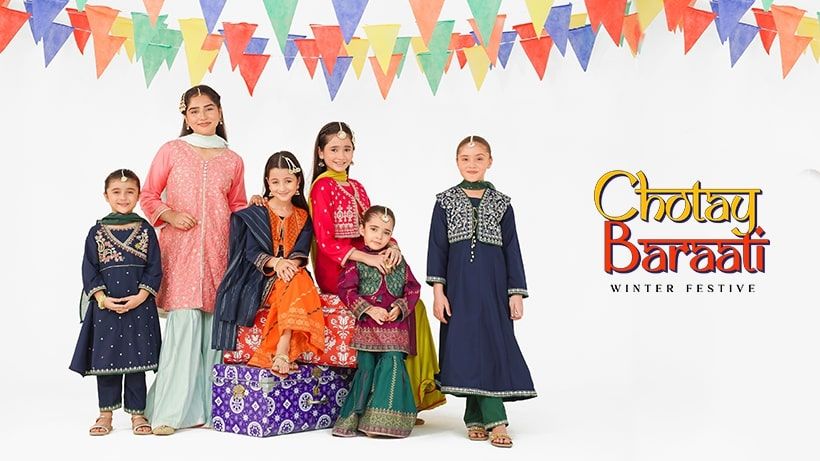
Semi-formal outfits sit at the middle of the fashion spectrum. They are less strict than classic formal dresses, but they still require taste, refinement, and effort. Whether you are going to a cocktail party, corporate dinner, engagement celebration, school function, or a special evening out, there are countless options that blend sophistication with ease. This guide highlights 10 perfect semi formal dresses for events, helping you choose something stunning, modern, and fitting for your personal style.
In this complete and comprehensive guide, we will explore the characteristics of semi-formal wear, what makes certain styles timeless, and how different designs inspired by formal dresses can elevate your wardrobe. By the end, you’ll feel confident selecting a look that fits both the dress code and the event’s atmosphere.
Understanding Semi-Formal Fashion
Semi-formal fashion is a level below the traditional attire expected with formal dresses, but it still leans toward sophistication. It blends elegance with comfort, allowing for more creative and relaxed expression. While formal dresses typically demand floor-length gowns, luxury fabrics, and structured silhouettes, semi-formal dresses welcome cocktail lengths, softer fabrics, playful cuts, and more modern designs.
Semi-formal outfits can include knee-length dresses, midi dresses, two-piece sets, jumpsuits styled with formal accessories, or inspiration drawn from simpler formal dresses. As long as the outfit looks polished, intentional, and stylish, it fits within the semi-formal category.
10 Perfect Semi Formal Dresses for Events
1. Classic A-Line Cocktail Dress
The A-line cocktail dress is one of the most universally flattering silhouettes. Inspired by traditional formal dresses, it has a fitted bodice and a flared skirt, giving it a timeless, graceful look. This style is perfect for work events, graduation ceremonies, or engagement parties.
Why It Works
-
Creates a naturally balanced shape
-
Works well for almost every body type
-
Can be dressed up or down
Though less dramatic than floor-length formal dresses, the A-line cocktail dress carries a similar elegance in a more versatile length.
2. Satin Slip Dress
Satin slip dresses are modern, minimalistic, and highly fashionable. Many women choose them because they combine the elegance seen in formal dresses with the relaxed feel of semi-formal attire. The soft sheen of satin adds luxury without being overwhelming.
Why It Works
-
Lightweight and comfortable
-
Can be paired with heels, boots, or strappy sandals
-
Perfect for evening parties and semi-formal dinners
Slip dresses take inspiration from the sleek lines of high-end formal dresses, but deliver something lighter and trendier.
3. Midi Wrap Dress
The wrap dress is iconic because it offers the perfect blend of structure and comfort. Its adjustable waist and flowing skirt mimic the tailored feel found in many formal dresses, making it a great semi-formal choice.
Why It Works
-
Waist-accentuating design
-
Appropriate for daytime and evening events
-
Works well in solid colors, prints, or muted tones
Wrap dresses suit cocktail parties, birthdays, and family celebrations—any setting where polished semi-formal attire is preferred over classic formal dresses.
4. High-Low Hem Dress
High-low dresses bring drama to semi-formal clothing without going full gala-mode the way formal dresses often do. The shorter front and longer back hemline add movement, making the dress eye-catching and elegant.
Why It Works
-
Trendy and fashion-forward
-
Offers comfort and freedom to move
-
Perfect for weddings, dances, or outdoor celebrations
This style balances the grandeur of formal dresses with a playful twist that suits a wide range of semi-formal events.
5. Lace Midi Dress
Lace has always been a signature element in many formal dresses, and incorporating it into semi-formal outfits adds a touch of glamour. Lace midi dresses come in fitted, A-line, or sheath styles, offering many options based on your personal taste.
Why It Works
-
Delicate, feminine texture
-
Perfect for evening events
-
Beautiful in classic colors like black, burgundy, or navy
If you want something elegant without going into full formal dresses territory, lace midi dresses offer the perfect balance.
6. One-Shoulder Dress
One-shoulder dresses radiate confidence and style. They borrow the boldness often seen in red-carpet formal dresses but bring it into a wearable semi-formal format.
Why It Works
-
Unique asymmetrical neckline
-
Modern and sleek
-
Great for cocktail parties or special dinners
This design ensures you stand out without being overdressed, blending inspiration from glamorous formal dresses with semi-formal comfort.
7. Peplum Dress
Peplum dresses offer a structured, sophisticated silhouette that flatters the waist and hips. Their tailored style echoes the precision found in many formal dresses, making them ideal for business events, networking functions, or award ceremonies.
Why It Works
-
Adds definition to the waistline
-
Professional yet elegant
-
Suitable for both daytime and evening
For occasions requiring a polished look, peplum dresses sit at the perfect intersection between business attire and soft versions of formal dresses.
8. Velvet Bodycon Dress
Bodycon dresses made from velvet bring a warm, luxurious element to semi-formal style. Velvet has long been used in high-end formal dresses, giving it a rich feel that works beautifully for winter or nighttime events.
Why It Works
-
Soft and luxurious texture
-
Enhances natural curves
-
Best for cocktail gatherings and evening parties
Velvet bodycon dresses are a great choice when you want to channel the richness of formal dresses without wearing a full-length gown.
9. Tea-Length Dress
Tea-length dresses fall between the knee and ankle. This modest yet stylish length is often found in vintage-inspired formal dresses, making it a charming option for semi-formal events.
Why It Works
-
Retro and elegant
-
Moves beautifully when walking or dancing
-
Ideal for weddings, anniversaries, or outdoor events
Tea-length dresses offer the grace seen in classic formal dresses while being more practical and comfortable.
10. Jumpsuit Styled for Semi-Formal Events
While not a dress, a tailored jumpsuit styled well can match the elegance of many formal dresses. A jumpsuit with structured lines, quality fabric, and polished accessories can create a chic, modern semi-formal look.
Why It Works
-
Comfortable and contemporary
-
Suitable for fashion-forward events
-
Easy to accessorize
A jumpsuit gives the sophistication expected from formal dresses while offering comfort and movement.
How to Choose the Perfect Semi Formal Dress for an Event
Finding the right semi-formal outfit means considering style, comfort, and the event’s atmosphere. Here are key factors to guide you:
1. Event Time
Daytime events call for lighter colors and simpler designs, while evening events suit richer tones and details inspired by formal dresses.
2. Venue
Outdoor or garden events are ideal for flowy silhouettes, whereas indoor corporate venues may call for more structured styles similar to adapted formal dresses.
3. Personal Comfort
Your chosen dress should allow you to move comfortably. While formal dresses often sacrifice comfort for elegance, semi-formal styles should strike a perfect balance.
4. Fabric Choice
Chiffon, satin, velvet, lace, and high-quality blends all work well. Fabrics borrowed from formal dresses often elevate the outfit.
5. Accessories
Semi-formal looks shine with the right balance of jewelry, shoes, and outerwear. Accessories should support, not overshadow, the style—something especially important when toning down inspirations from formal dresses.
Styling Tips for Semi-Formal Dresses
Choose the Right Footwear
Heels, wedges, stylish flats, or ankle boots all pair well with semi-formal outfits. Choose based on the dress’s length and fabric. While formal dresses often require heels, semi-formal dressing gives you more options.
Match Accessories to the Event
Jewelry, handbags, and outer layers should enhance the look but remain balanced. Delicate jewelry tends to work well with styles influenced by formal dresses.
Keep Makeup and Hair Polished
Your makeup and hair should reflect the sophistication expected in semi-formal attire. You don’t need the elaborate styles used with luxury formal dresses, but a clean, refined appearance is key.
Why Semi-Formal Dresses Are So Versatile
Semi-formal dresses offer the best of both fashion worlds. They capture elements from formal dresses—like elegant fabrics, flattering silhouettes, and classic lines—while providing the flexibility needed for various events. Because of this, semi-formal clothing is ideal for:
-
School dances
-
Graduation events
-
Work dinners
-
Wedding receptions
-
Holiday gatherings
-
Cultural celebrations
-
Charity events
-
Dinner parties
Where formal dresses may feel too extravagant, semi-formal dresses create just the right impression.
Conclusion
Choosing the right semi-formal dress becomes much easier once you understand the balance between elegance and comfort. Although semi-formal clothing is less demanding than traditional formal dresses, it still requires thoughtful styling and attention to detail. From A-line silhouettes to satin slips, the 10 styles highlighted in this guide offer a perfect starting point for any event.
Semi-formal fashion allows you to enjoy the sophistication typically associated with formal dresses while embracing modern freedom, personal expression, and versatility. By selecting the right silhouette, fabric, and accessories, you can create a polished look that suits both your personality and the event’s vibe.
Whether you're attending a wedding, a corporate dinner, or a special celebration, the right semi-formal dress will help you make a memorable impression—elegant, comfortable, and confidently yourself.