
From Beginner to Expert A Training Path with Downhole Operation Simulator
Building a downhole simulation lab is a project that rewards careful planning. The equipment itself, the downhole operation simulator, is only part of the story; the room it occupies, the power it draws, and the way the space supports instructors and trainees determine whether the lab becomes the centerpiece of a training program or an expensive storage problem. This guide covers the facility requirements, then maps a staged learning path from beginner to specialist.
Facility Requirements: Sizing the Lab for Your Program
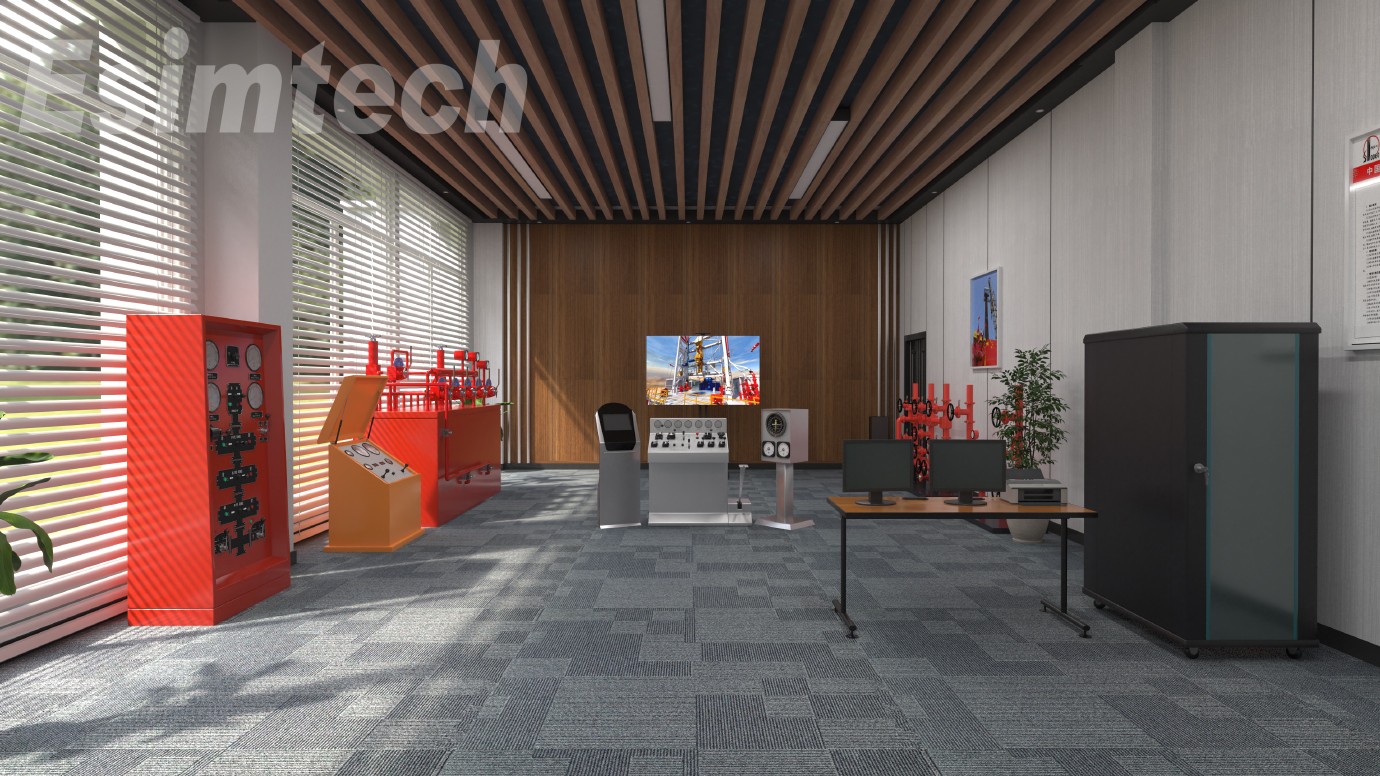
Start with the number of stations, because everything else follows from it. A console-based downhole simulation station needs roughly the footprint of a large desk, plus space for the instructor to stand beside it during coaching and for trainees to gather during the debrief. A typical classroom layout places four to six trainee stations in a U shape facing the instructor station. Desktop configurations can be denser, standard computer lab spacing, but they still need sight lines to the instructor display.
Power requirements are modest but should be planned: each console draws standard mains power, and the instructor station plus displays add a few more circuits. Install surge protection and, if the lab serves certification programs, consider an uninterruptible power supply so that a power blip does not abort a scored scenario. Nothing damages trainee confidence like losing a near-perfect run to a flickering light.
Lighting, Acoustics, and the Debrief Zone
Lighting deserves more attention than most labs give it. Console displays and indicator lights need to be readable, but glare on screens causes eye strain during long sessions. Use adjustable lighting with the ability to dim for scenario immersion. For the instructor station, ensure the operator’s view of every trainee screen is unobstructed; a raised instructor position or an elevated monitor helps in larger rooms.
Acoustics matter because intervention training is aural as well as visual: alarms, pump sounds, and crew communications are part of the scenario experience. A lab that is too noisy makes the audio cues indistinguishable; a lab that is too dead loses the urgency that the sounds are meant to create. Carpet or acoustic panels control reverberation, and headphones for individual stations give trainees the option of private practice. Reserve a separate debrief zone, even if it is only a table with a large monitor.
Beyond the Room: Infrastructure and Support
The facility extends beyond the classroom. Plan storage for spare parts, cables, and documentation, and for portable configurations, a secure place for the transport cases. Network the lab, because scenario updates and remote support benefit from a reliable connection. Decide who owns the lab: a dedicated lab manager or the lead instructor.
Vendor support is part of the infrastructure. Confirm what the installation includes: delivery, commissioning, instructor training, and documentation, and what the ongoing commitments are: update frequency, spare parts availability, and response times. A lab that cannot get timely support when a console fails is a lab that teaches nothing that week, so the vendor’s service record deserves as much scrutiny as the hardware specification.
The Learning Path: From First Contact to Field Ready
With the facility in place, the training path can be planned. Stage one builds foundations: equipment identification, well control basics, console operation, and guided scenarios, suitable for new hires and students with no intervention experience. Trainees learn to read the well state and execute simple operations with coaching, and the milestone is accurate, safe performance of standard workover scenarios in guided mode.
Stage two develops procedural fluency. Trainees run complete operations, pulling completions, circulating, setting packers, with the instructor injecting routine complications. The assessment gates advancement: a trainee must meet the accuracy and time thresholds on the simulator’s automatic scoring before moving on.
Advanced Stages: Pressure, Failure, and Command
Stage three introduces pressure operations and snubbing. Trainees manage live well conditions, controlling the snub and strip forces while monitoring the pressure balance. Stage four adds failure and emergency scenarios, where detection speed and recovery skill are scored under time pressure.
Stage five, team operations and command, prepares supervisors. Multi-station exercises train crew coordination, and command scenarios train decision-making under pressure: allocating tasks, prioritizing, and escalating. For organizations building a talent pipeline, the path from stage one to stage five, mapped to documented assessment data, provides a defensible basis for promotion decisions.
Matching the Path to People and Goals
The path adapts to individual backgrounds. A university graduate enters at stage one and progresses through the full sequence. An experienced driller transitioning to intervention work may test out of stage one and start at stage two, because the simulator’s assessment provides objective evidence of what they already know. A supervisor preparing for recertification refreshes directly in stages three and four.
Facility planning should anticipate this flexibility. The lab that serves multiple tracks needs a booking system, because console time becomes the scarce resource once the program gains traction. Plan the lab for peak demand, not average demand, and you will avoid the most common failure mode of training centers: a beautiful facility that is always fully booked. Add capacity in stages, a second console after the first year if utilization justifies it, portable units when operators ask for field drills. For guidance on room layouts and configuration sizing, the downhole operation simulator documentation includes facility recommendations that help training centers avoid the most common planning mistakes.
From Facility to Capability
The sequence is clear: size the room for the program, protect the power, control the light and sound, build the debrief zone, secure the support, and then let the learning path run. The downhole operation simulator lab succeeds when it is treated as a production facility for competence, not a showroom. Organizations that plan the space and the path together find that their graduates reach field readiness faster, their assessment data becomes a management tool, and their training center becomes a competitive advantage.
Comments are Closed