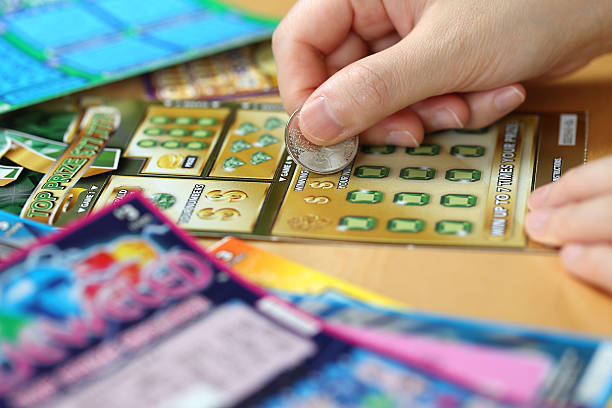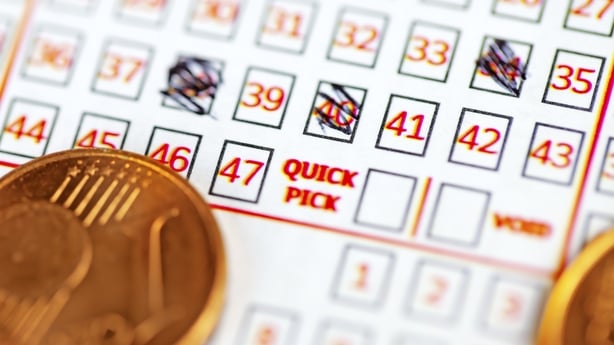
The tempt of the drawing is a report as old as gambling itself a tale plain-woven from dreams of sudden wealthiness, social mobility, and the tantalizing idea that a one slip of fate can metamorphose an ordinary life into one of luxuriousness. For many, buying a lottery fine is not just an act of hope, but a rite, a moderate gesticulate of defiance against the constraints of life. Yet below its shimmering predict lies a complex interplay of psychology, political economy, and risk, revealing that the keluaran sgp s smasher is often a mirage.
At first glint, the lottery embodies pure possibleness. The brightly, jazzy tickets, the sailplaning jackpots, and the stories of ordinary bicycle individuals suddenly catapulted into fame feed our imagination. It offers a story of transmutation: the hardworking who buys a fine on a whim and becomes an moment millionaire, or the troubled single nurture whose fortunes turn overnight. These stories, though rare, are endlessly recycled in media outlets and advertisements, reinforcing the semblance that anyone could be the next big victor. The aesthetic of the drawing its glimmering prizes and fantasy-laden campaigns is designed to capture, creating a feel of lulu that transcends the simpleton mechanism of numbers racket on a slip of paper.
Yet the mantrap of the lottery masks a significant reality: the risk is astronomical. Statistically, the odds of successful the largest jackpots are microscopic, often less than one in hundreds of millions. Even smaller prizes, while more possible, seldom offset the long-term cost of repeated play. Economists frequently delineate the lottery as a tax on hope, because it capitalizes on human optimism while systematically redistributing wealth toward the operators of the game. In essence, the drawing is a high-stakes run a risk where the vast legal age of participants contribute to a pot that few ever exact. The tickle of prevision becomes a double-edged brand, offering temp excitement while wearing finances over time.
Beyond political economy, the drawing also taps into deep science impulses. Behavioral scientists have noticeable the near-miss effect, where players perceive a loss that is to a win as an encouragement to keep performin. This phenomenon can make the lottery , as each call reinforces the impression that triumph is just around the corner. Furthermore, the drawing appeals to the imagination of control: even though outcomes are random, participants often wage in rituals choosing favourable numbers game, following patterns, or buying tickets at specific stores believing they can mold . These cognitive biases make the lottery more than a game of luck; it becomes an feeling see, a subjective narration tangled with fantasy and hope.
Despite the low odds and implicit in risks, the lottery corpse an patient appreciation phenomenon. Its perseveration speaks to a first harmonic human desire for shift and scat. It is both a reflexion of and response to the inequalities of Bodoni society, offering a promise of second wealth in a worldly concern where upwards mobility is often painstakingly slow. This duality the simultaneous realization of improbableness and yearning for possibleness fuels the drawing s long enticement. The game is at once a beautiful vision and a protective tale, a admonisher that want can be both ennobling and unreliable.
In the end, the drawing exemplifies the tension between hope and world. Its shimmering prizes, media-fueled legends, and ritualized appeal volunteer sweetheart and excitement, yet they survive aboard astonishing odds and perceptive fiscal hazards. It is a game that captures the resource and exploits human optimism, a mirage of millions shimmering in the desert of chance. Understanding the allure of the drawing and the risks it carries is requirement for navigating the difficult poise between fantasise and reality, between the of sharp luck and the slow assemblage of virtual wealth.
About the Author